Kalka – Shimla train journey is a ‘Must-Visit’ & ‘Must-Experience’ for both, International and domestic travellers.

India, a land of eternal heritage has sixth largest number of World Heritage assets in the World. One such world heritage asset is the 116 years old ‘Kalka-Shimla Train’, representing India’s rich heritage, symbolizing an engineering marvel and offering an ‘out of the world’ experience.

The 96 km long Railway line from Kalka to Shimla, having 102 tunnels and 988 bridges, passes through beautiful terrain. The train offers an enchanting journey because of its ‘smallness’, uniqueness and its heritage value. It is also the best way to enjoy the scenic beauty of breathtaking Himalayan Mountains, Valleys and the forests falling on its way.

I took the opportunity to travel in this wonderful train from Shimla to Kalka, during my visit to Shimla this week, for a meeting with Govt of HP on Tourism issues.

Kalka – Shimla train journey is a ‘Must-Visit’ & ‘Must-Experience’ for both, International and domestic travellers. The train has an immense potential to be India’s USP. However, like other lesser known world heritage destinations of India, Kalka-Shimla Heritage train deserves greater attention and higher level of Promotion by Ministry of Tourism, Railways, the State Governments of Haryana & Himachal Pradesh and all Stakeholders in Tourism Industry.

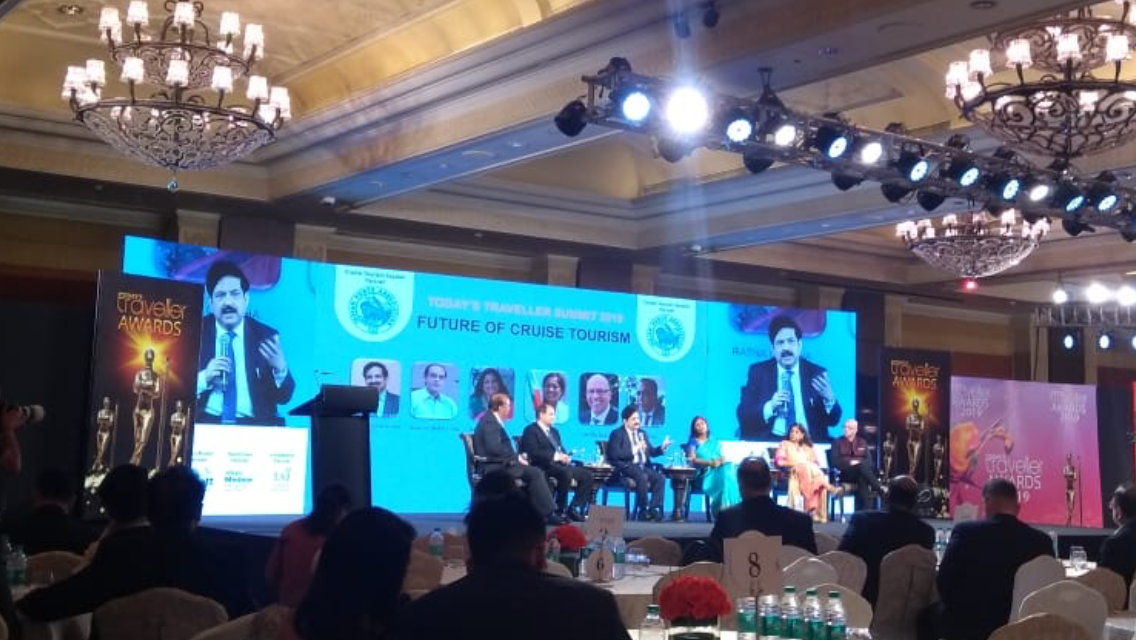
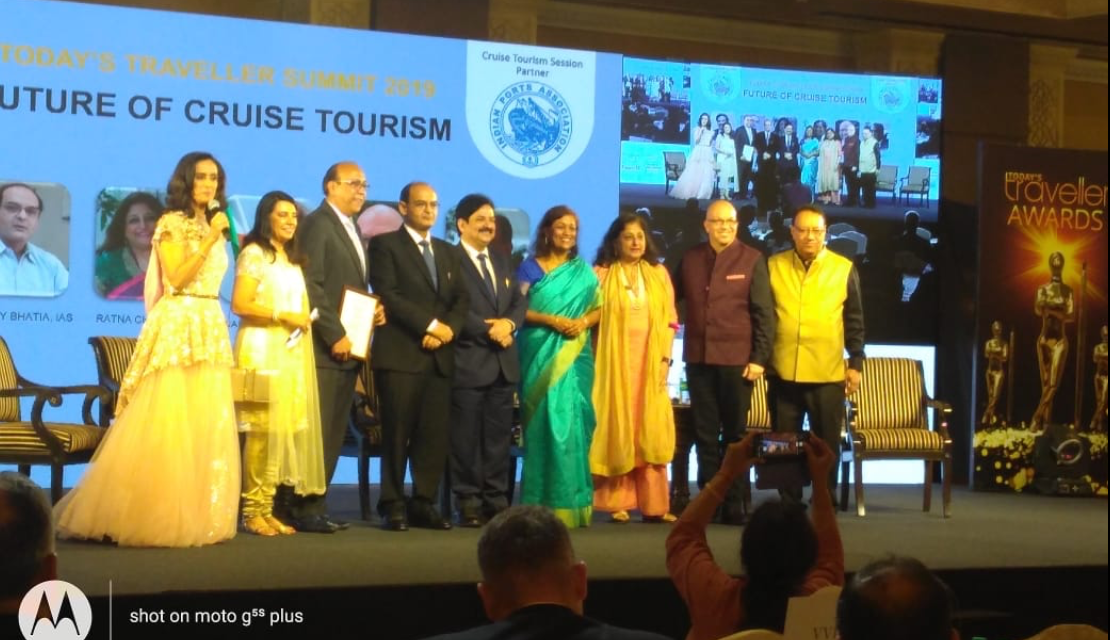
Addressed at the panel session on ‘Future of Cruise Tourism’ at Today’s Traveller Summit 2019

“Cruise Tourism is one of the fastest growing components of the leisure industry worldwide. Thirty million passengers are expected to travel on cruise during 2019 world over.

India, which has tremendous potential to become a global hub for cruise tourism in the years to come, has lately created a buzz all over the world by bringing cruise tourism to the centre stage of India Tourism. The policy initiatives and bold reforms made by the Central Government over the last four years have instilled tremendous energy and optimism among the stakeholders of cruise tourism. Ministry of Shipping and Tourism Ministry have jointly brought about series of initiatives viz constitution of task force; operationalizing standard operating procedures; extension of e-visa policy to five major sea ports; setting up of immigration counters at these ports; exemption for e-visa cruise tourists from biometric enrolment; reduction of port charges; no levy on priority, ousting and shifting charges for berthing; preferential berthing to home port cruises; setting up of port level facilitation committees; and relaxation of cabotage rule.

The aforesaid initiatives have started paying dividends and India tourism is upbeat about this turn around. Number of cruise ships calling at Indian Ports are on the rise. ‘Costa Neoclassica’ commenced cruising using home ports. ‘Angriya’ became the first Indian domestic cruise liner and ‘Jalesh cruises’ which started operations in April this year, is India’s first multi destination cruise line, customized for domestic travellers and also for foreigners visiting India. The formation of India Cruise Line Association (InCLA) has brought together all stakeholders on a common platform to address issues related to cruise sector in the country.

India has set a very ambitious target of attracting 4 million cruise travellers by 2040 from the present 0.2 million. To meet this challenge, all stakeholders need to play their roles under a common road map and integrated strategy for the Country. Ministry of Tourism has to be the umbrella organisation and is required to lead from the front, with the assistance of all related Ministries, State Governments, Port Authorities and Cruise industry. Union Government must accelerate building of cruise infrastructure, simplify rules & procedures, implement SOPs both in letter and spirit, resolve the issues of ‘white paper’ submitted by InCLA, bring in seamless and customer friendly practices at the port level and provide necessary relief in taxation. Cruise industry has to equally respond, by ensuring larger number of cruise vessels making calls at Indian sea ports, augmenting home port cruising, coordinating with Government and Port Authorities and promoting cruise tourism aggressively to attract domestic travellers.”

Addressed at the panel session on ‘Future of Cruise Tourism’ at Today’s Traveller Summit 2019 at New Delhi on 29th July.

‘Collaboration with Private Sector – Tourism’ at Lal Bahadur Shastri National Academy of Administration in Mussoorie

“Tourism Sector, globally, is primarily driven by the private sector with Government acting as a facilitator and a hand holder. The optimal model is that Government should engage itself in formulating policies, aimed at openness and easy access; seamless travel; building core infrastructure viz roads, rail and air connectivities; creating tourism infrastructure with basic amenities and facilities at the destinations and developing social infrastructure with focus on cleanliness, hygiene, safety and good communication. Government should leave the rest of the activities to private sector.

Looking at the rapid growth of tourism in India in the past few years, it is essential that the supply of tourism services should match with its increasing demand. It is therefore the right time that Government engaged in greater collaboration with private sector than ever before, to bridge the gap.

It is heartening to see that even in Core Infrastructure areas like building of Airports, Highways, State Roads and Railways, the Union Government is already promoting Public Private Partnership (PPP) model in an effort to bring in world class infrastructure. The time has however come to expand the areas of partnership between Government and Private Sector in tourism sector. They should engage together in joint promotion of India Tourism through Incredible India campaign, road shows and tourism events; in augmenting infrastructure for skilling and capacity building; and in building and promotion of upcoming and potential areas viz Cruise, MICE and Adventure tourism. It is also time that Government explored, how it can go beyond the PPP mode, to allow the private sector to operate exclusively in certain identified domain areas of the Government.

Private sector on the other hand has to be ready and proactive to take up new areas of responsibilities, and impart dynamics and speed to the process of tourism development of the Country.

Greater collaboration between Government and Private Sector will undoubtedly optimise the comparative advantage of each partner and pool resources, while maintaining a balance between public and private interest and ensuring transparency.”

Addressed a batch of Senior IAS Officers at Lal Bahadur Shastri National Academy of Administration in Mussoorie on the subject ‘Collaboration with Private Sector – Tourism’ on 15th July 2019.

Coming to the ‘queen of hills’ and particularly to the Academy is always a matter of pleasure and pride.

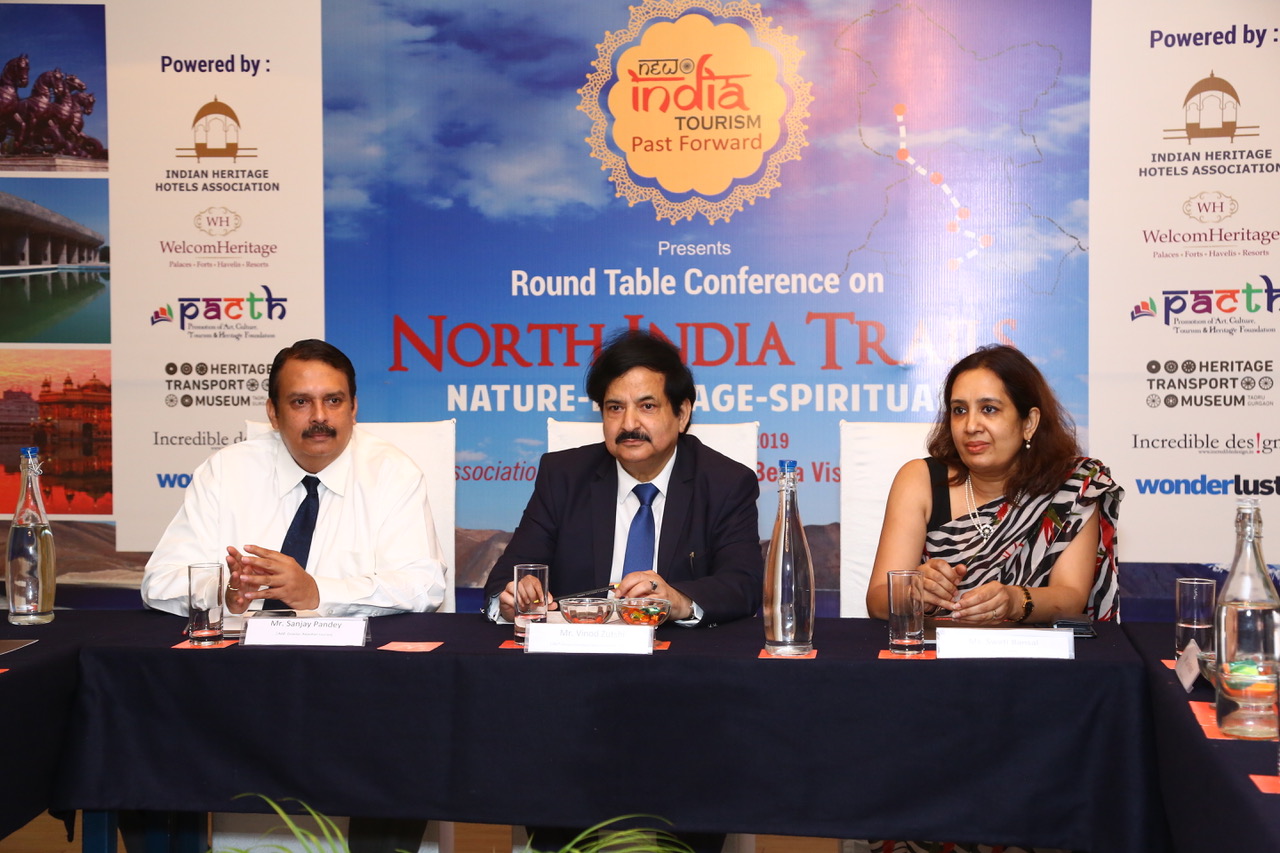
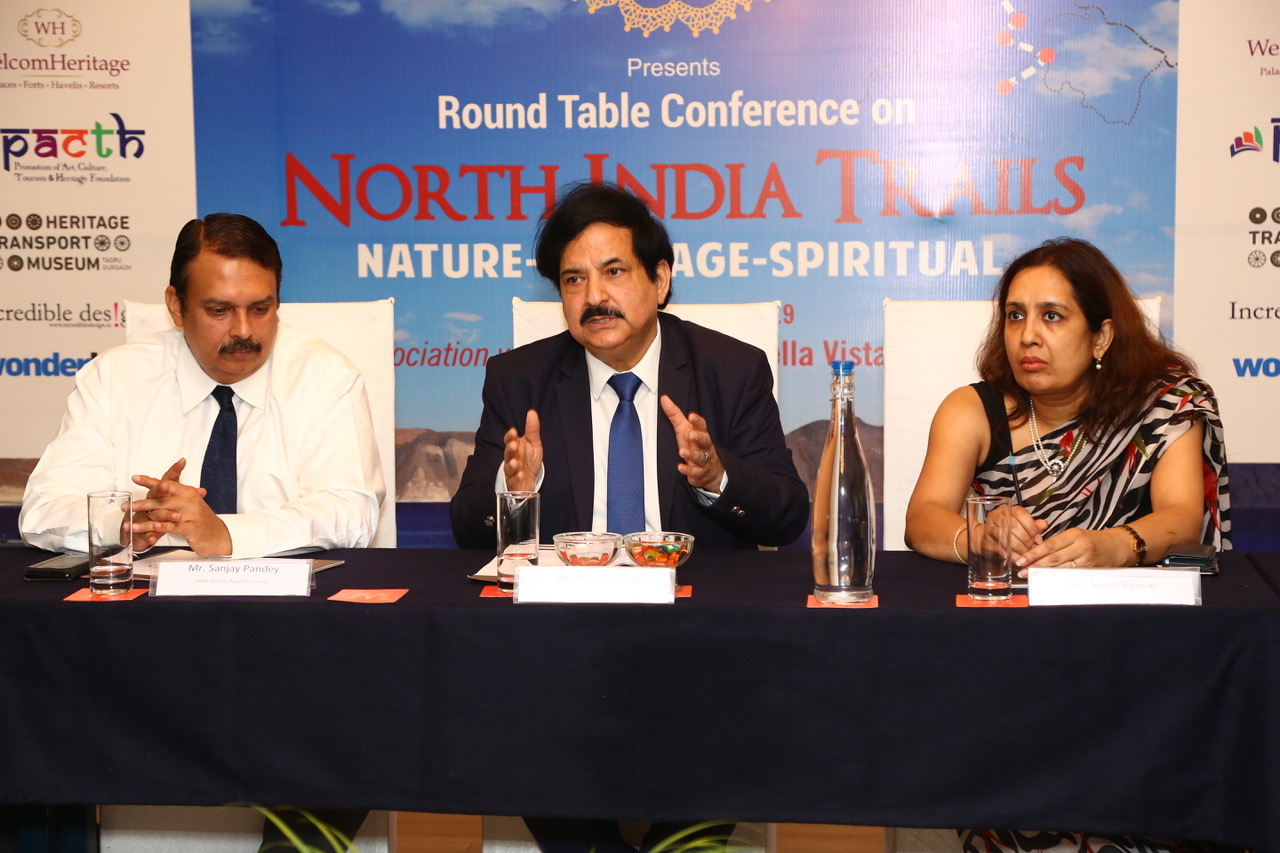
Round Table Conference on “North India Trails – Nature, Heritage and Spiritual”

North India is blessed with huge repository of Nature, Heritage and Spiritual tourism.

Jammu & Kashmir, with unimaginable natural beauty, Himachal Pradesh & Uttarakhand with snow-capped Himalayas, hills and forests and the ‘City beautiful’, Chandigarh are some of the illustrative examples of Nature Tourism in this region.

The region is also a rich hub of Spiritual tourism. The holy city of Amritsar and Anandpur Sahib are pilgrimages for Sikhs; Uttarakhand, also called as Devbhoomi, with the famous Char Dham and holy towns of Haridwar and Rishikesh are famous destinations in Hindu pilgrimage circuit; Hazratbal in Kashmir is a famous Muslim Shrine; Dharamshala and Mcleodganj in Himachal Pradesh are considered as Mecca of Tibetan Buddhism; and Kurukshetra in Haryana is the land of Bhagwad Geeta and part of Krishna Circuit.

North India has abundance of ancient heritage and history. The Indus valley civilization, the Mahabharata, the battle of Panipat, Jallianwala Bagh, the Kalka-Shimla Railway World Heritage Train and the Forts, Palaces, Havelis are testimonials of the region’s rich heritage and history.

North India is a ‘land of plenty’. It is time that North India is also promoted as a Region. North Indian States should combine their efforts, pool their resources and work on an integrated strategy for building tourism infrastructure and showcasing common themes. The State Tourism Departments of these States, while promoting tourism of their individual States, should also converge their efforts to promote tourism in North India as a ‘Region’. Northern India Council, a part of Inter State Council under Ministry of Home Affairs can also take up the agenda of furthering ‘Regional Tourism’ in North India States. Promoting ‘Regional Tourism’, with the objective of promoting ‘circuit and theme- based tourism’ in India can be a game changer for the growth of domestic as well as International tourism in the region.

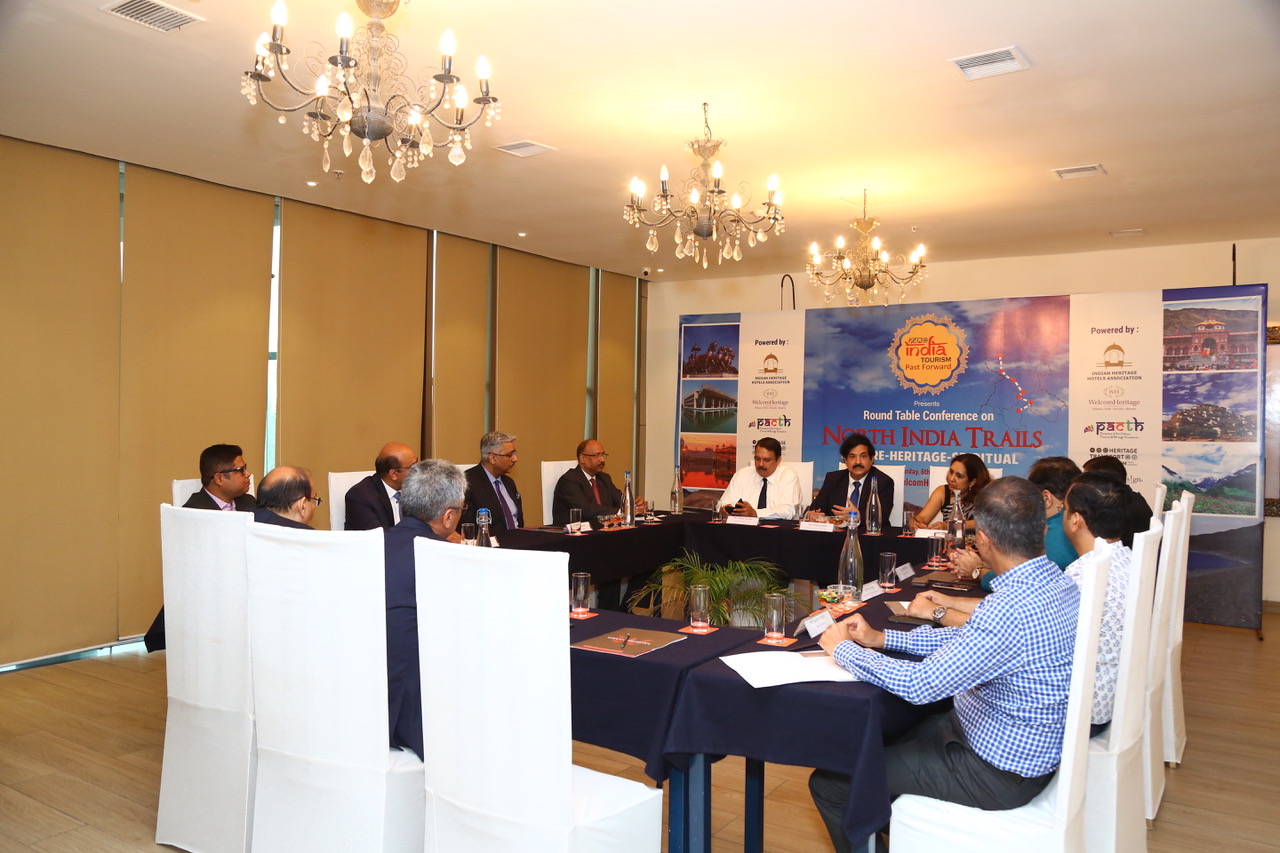
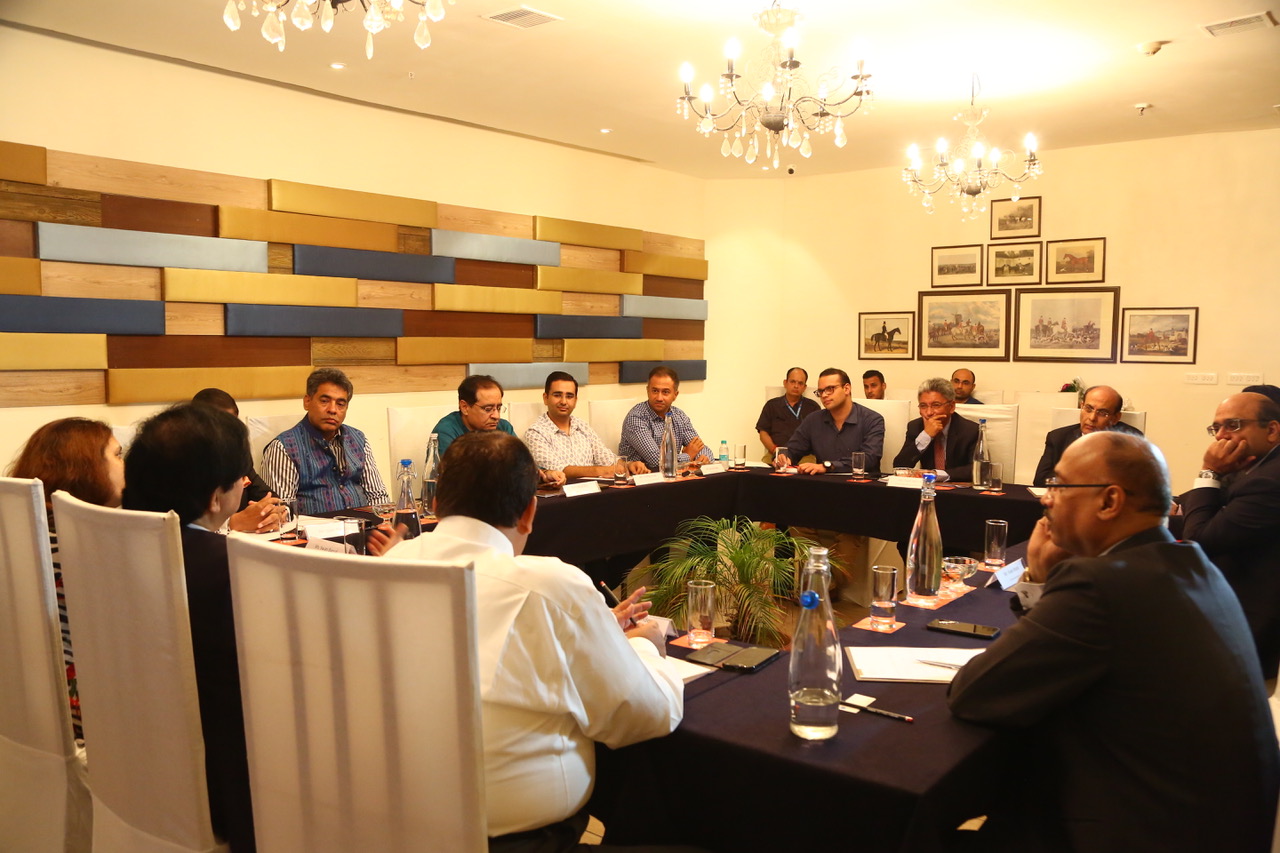
NEW INDIA TOURISM, a new Forum for Ideation and Advocacy has made a beginning in this direction. The forum organized a Round Table Conference on “North India Trails – Nature, Heritage and Spiritual” on 6th July at Welcom Heritage Hotel, Panchkula.

It was a pleasure to Chair the Conference and to come out with a roadmap for developing, showcasing and promoting Tourism in North India as a Region. The Forum will also share the roadmap and takeaways of the conference with all related stakeholders. New India Tourism will continue to organise such events with a view to addressing tourism issues of other regions of the Country and also of individual States with focus on Indian Heritage.

FICCI Tourism Investors Meet 2019

“India has earned a significant place in World’s Tourism Map because of its great potential to attract tourists to the diversity of tourist sites spread all over the country. What India requires now is greater ease of access, seamless connectivity, comfortable modes of travel, tourist friendly facilities at destinations, ease of doing business and welcoming people.

To address these issues, India needs special focus on development of high quality core infrastructure, tourism infrastructure and social infrastructure. Although Union Government and State Governments are investing huge amount of funds for development of required infrastructure, however, the financial resources of the Governments can never be enough to address this issue in a vast country like India, having destinations in plenty.

India therefore needs deeper engagement with private sector to bridge the infrastructure gap existing in tourism sector. Tourism in India will grow faster when it is driven by private sector. The Union Government and State Governments must formulate such policies which can create an enabling environment for investors to invest in tourism sector. It is also necessary that Governments involve private sector through PPP mode.”

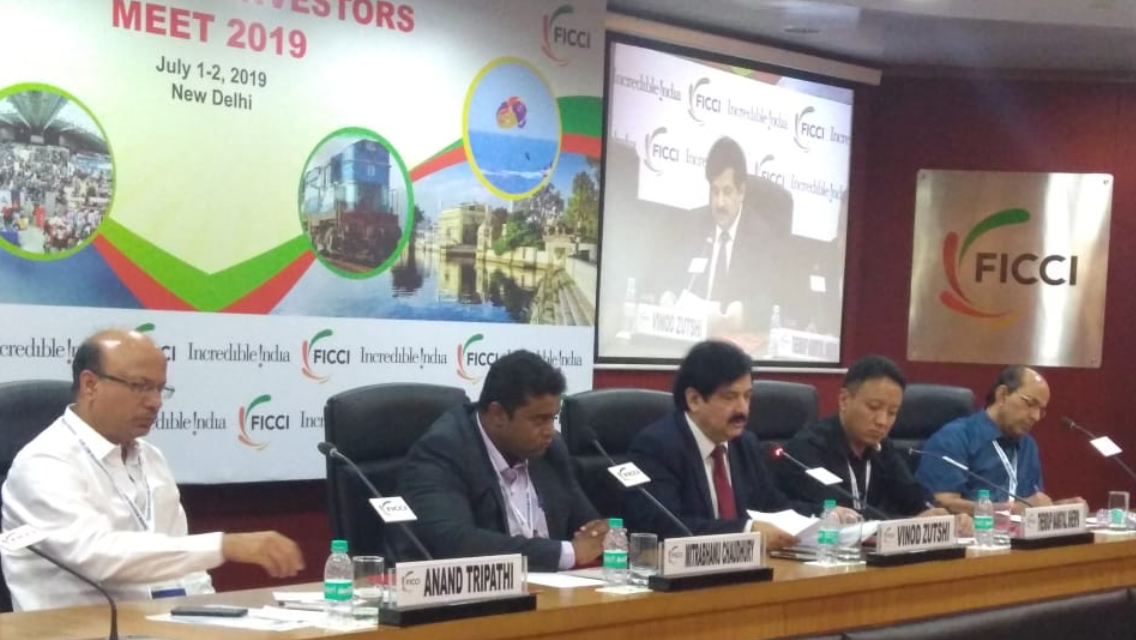
It was a pleasure to Chair, Moderate and Address the State presentation session today at FICCI Tourism Investors Meet 2019 and to know from the presentations of the States, how Odisha, Rajasthan, Madhya Pradesh and West Bengal have formulated Tourism-friendly Policies & Investment-enabling procedures, for promoting investments in their respective States.

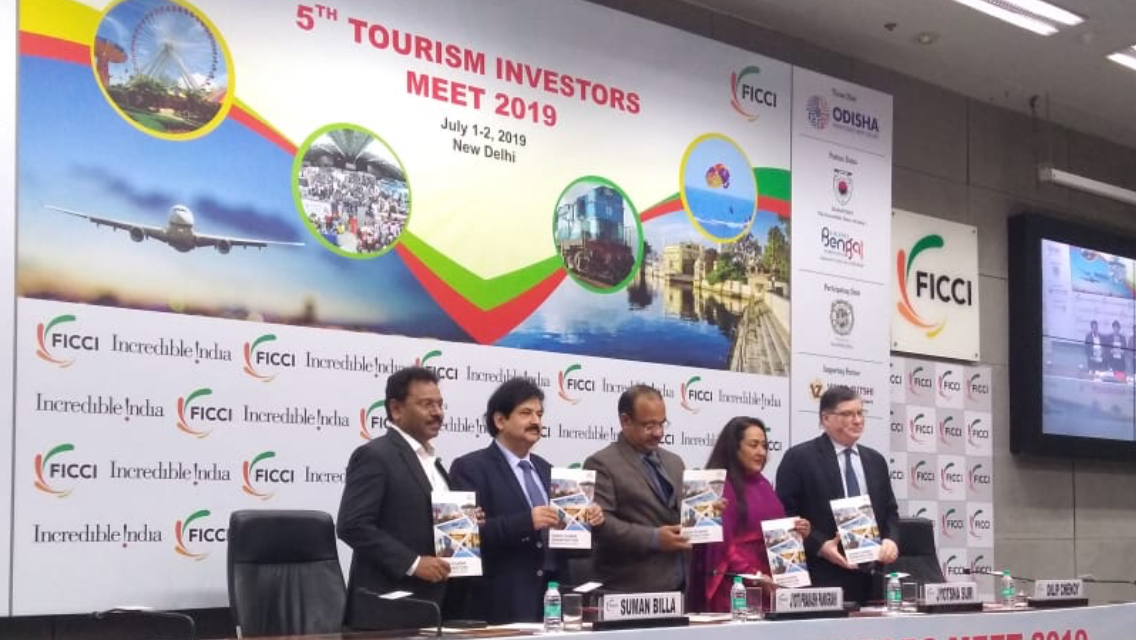
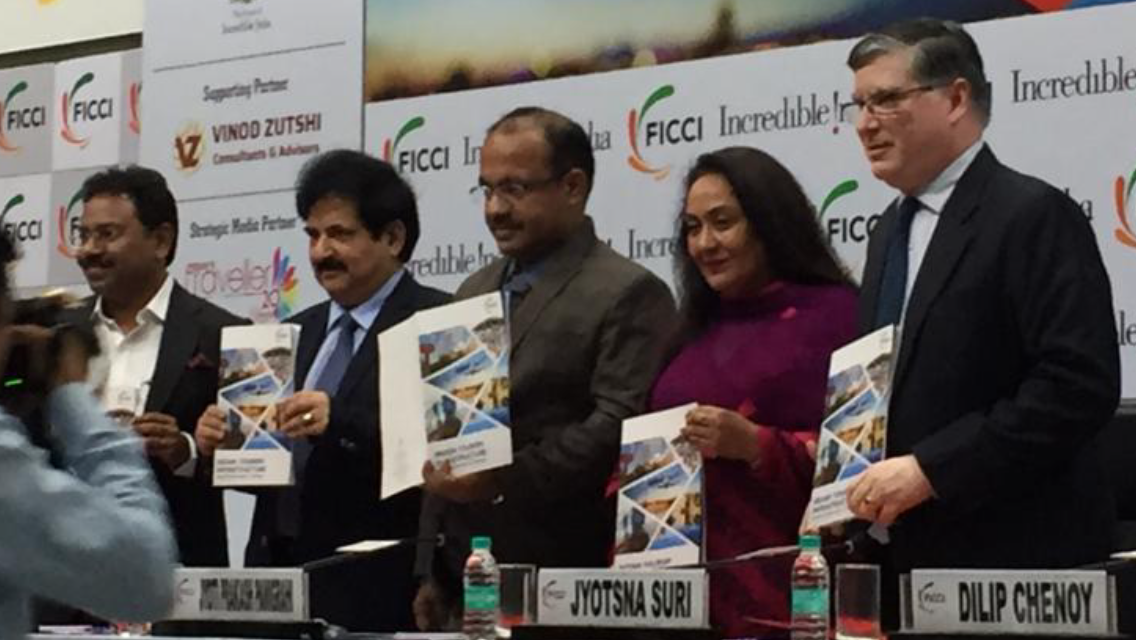
Thanks to FICCI for associating VINOD ZUTSHI CONSULTANTS & ADVISORS as ‘Support Partner’ for their 5th Tourism Investors Meet 2019 and also for acknowledging my contribution and support for preparing the Knowledge Report on ‘Indian Tourism Infrastructure’ released at the inaugural session of the Meet.

International Conference on Religious, Pilgrimage, Wellness & Spiritual Tourism’ and celebration of International Yoga Day

“Amongst various travel trends, spiritual and religious tourism has been growing in India at an unprecedented rate. Spiritual and Religious tourism today has almost 60 percent share in the total domestic tourist visits within India, which means that out of 180 crore domestic tourist visits, recorded during 2018, more than 100 crore visits by Indians were for religious and spiritual purposes.

It is not only Indians who are travelling to popular pilgrimage sites, the International travellers are also travelling to India, now in larger number, for spiritual and religious retreat.

Yoga, an integral component of Spiritual & Wellness tourism has also become one of the major attractions for International travellers. Announcement by United Nations in 2015, to celebrate 21st June every year, as International Yoga Day, has resulted in greater inflow of Yoga travellers into India.

Ministry of Tourism being aware of the virtues of spiritual tourism has sanctioned more than Rs. 800 crores worth of projects under Swadesh Darshan Scheme for spiritual circuits in various States. Ministry has also created Ramayan, Krishna and Buddha Circuits under which huge amount of money is being invested to develop tourism infrastructure around the religious destinations falling under these circuits. PRASHAD is another flagship scheme of the Ministry which is solely aimed to rejuvenate pilgrimage and to augment the spiritual heritage of our country. So far more than Rs. 700 crores worth of projects have been sanctioned in large number of PRASHAD cities.

In order to draw optimal benefits of our strongest USP, it is necessary that we build ‘tourist friendly ecosystems’ around spiritual and religious destinations. Ease of access, Direct connectivity, Ease of travel, Good Tourism infrastructure and Tourist friendly facilities will enhance the visits of domestic and international travellers considerably. We also need to address the issues of maintaining hygiene and cleanliness, preventing exploitation of pilgrims, ensuring safety and security of visitors (including safety from natural calamities), providing good lodging and fooding for all sections of travellers and creating facilitation centres at these destinations.

In order to provide boost to Yoga Tourism, the National Medical and wellness Tourism Board under Ministry of Tourism should bring in its priority agenda, issues related to facilitation and promotion of Yoga Tourism, that could include Setting up of Task Force; Constructing database and Online directory of Yoga & Wellness Centres/ Meditation Camps in the country and to develop robust mechanism of Certification and Accreditation of Yoga service providers.”

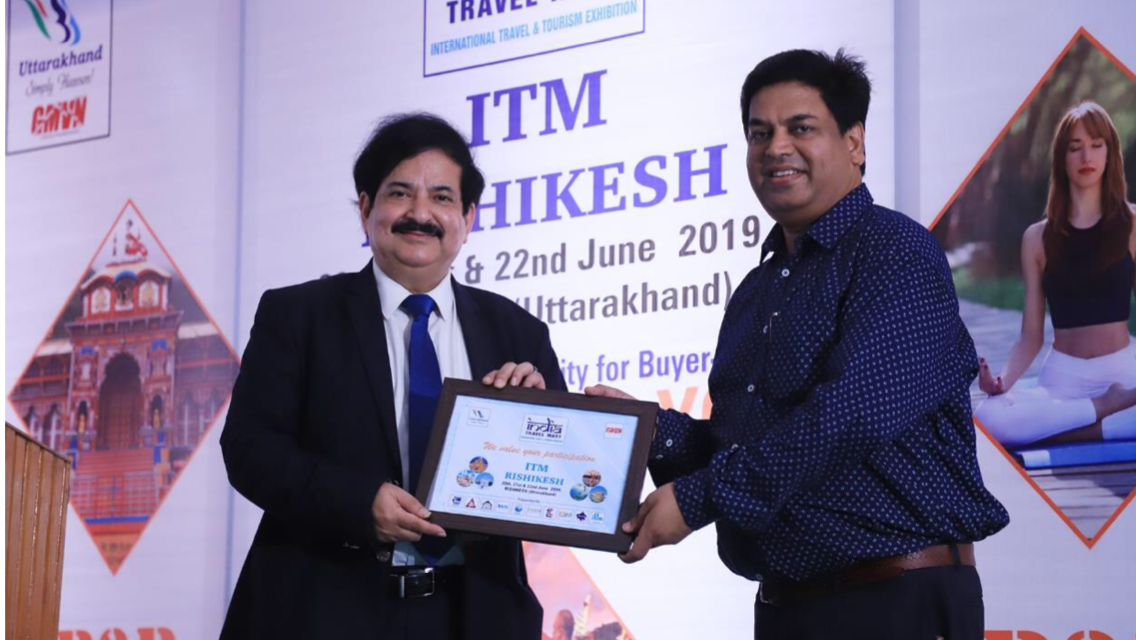
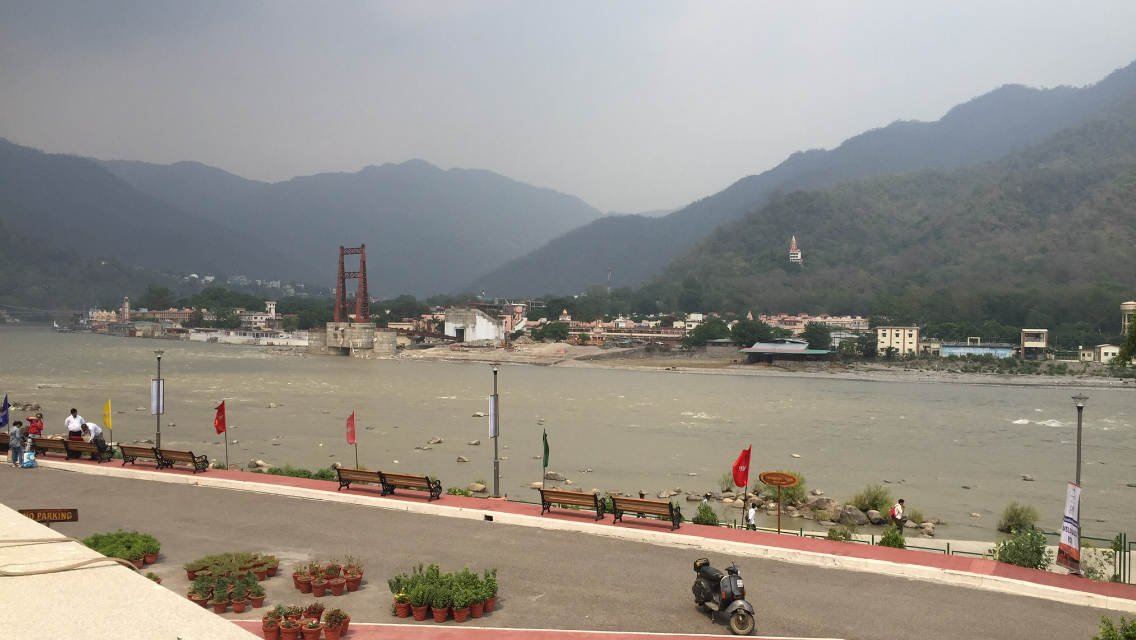
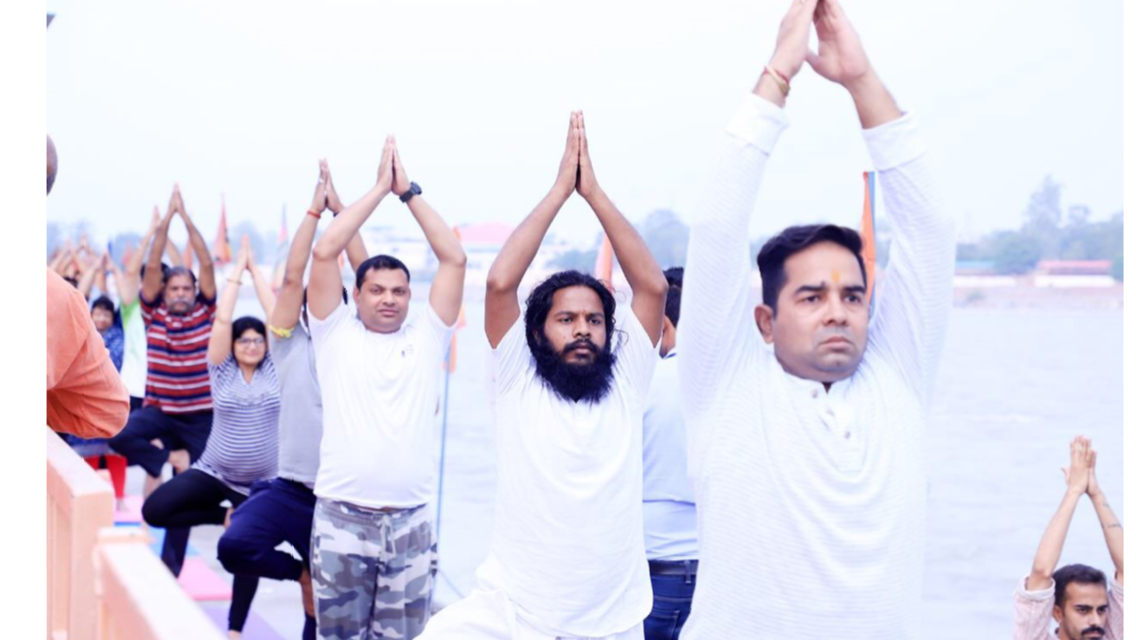
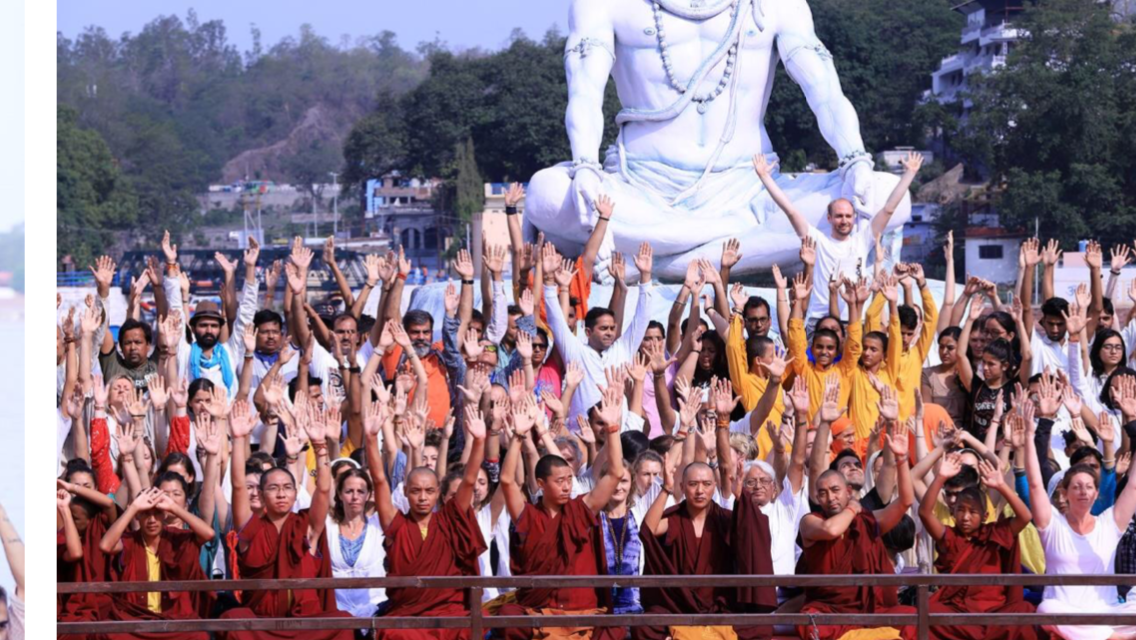
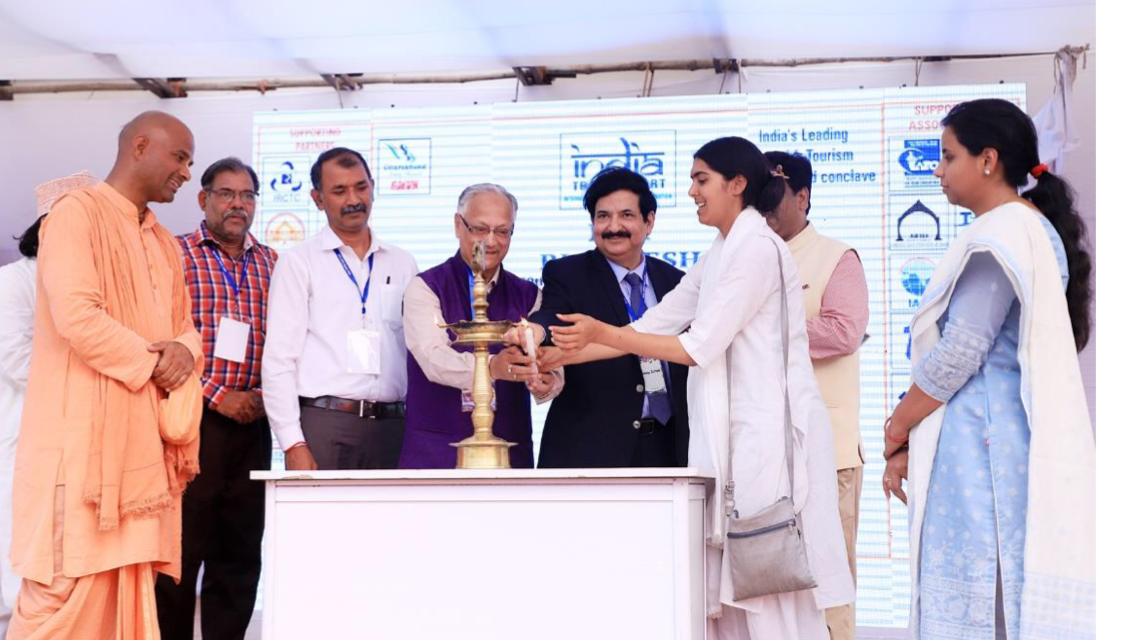
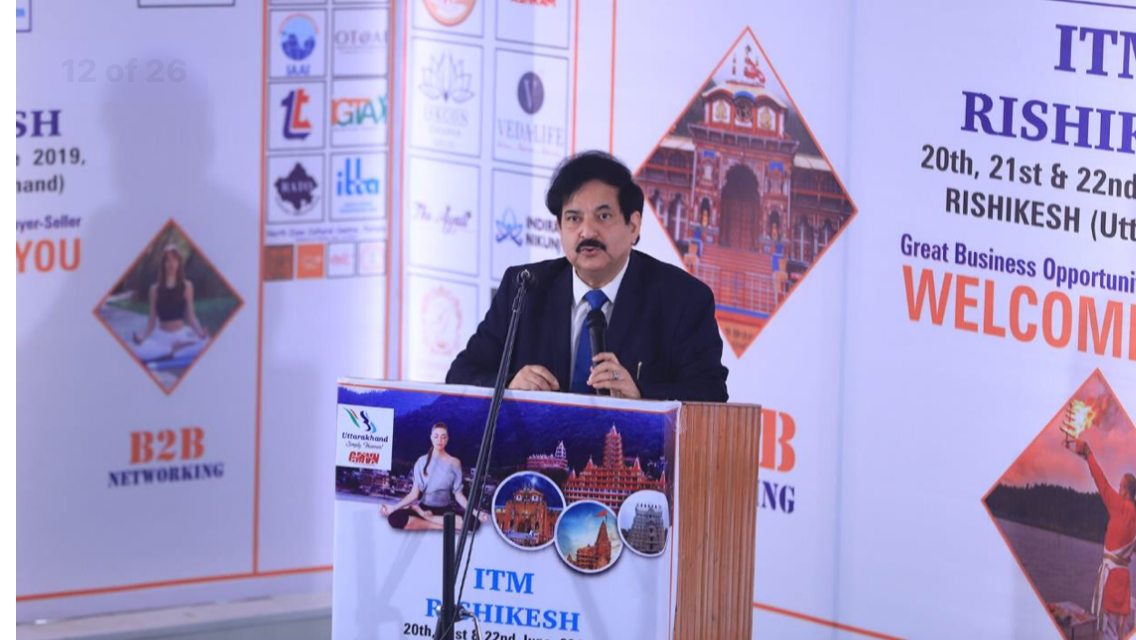
It was a pleasure to be at Rishikesh, the yoga capital of the world on 21st June 2019, the International Yoga Day, to address Travel and Tourism fraternity at ‘International Conference on Religious, Pilgrimage, Wellness & Spiritual Tourism’ and to celebrate International Yoga Day, on the banks of Holy Ganga at India Travel Mart.
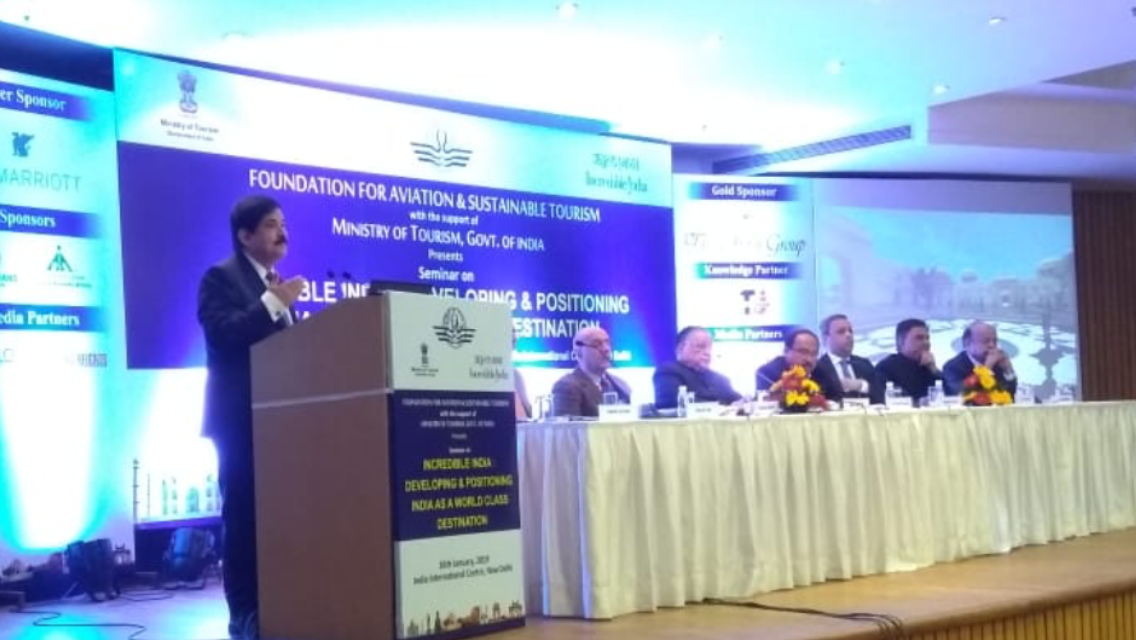
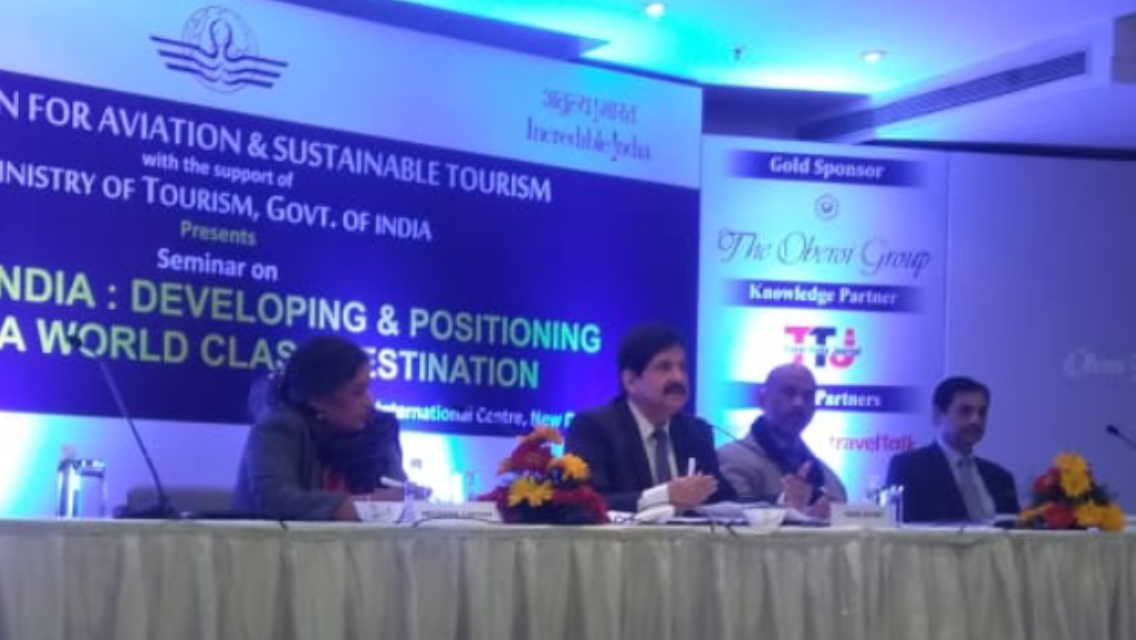
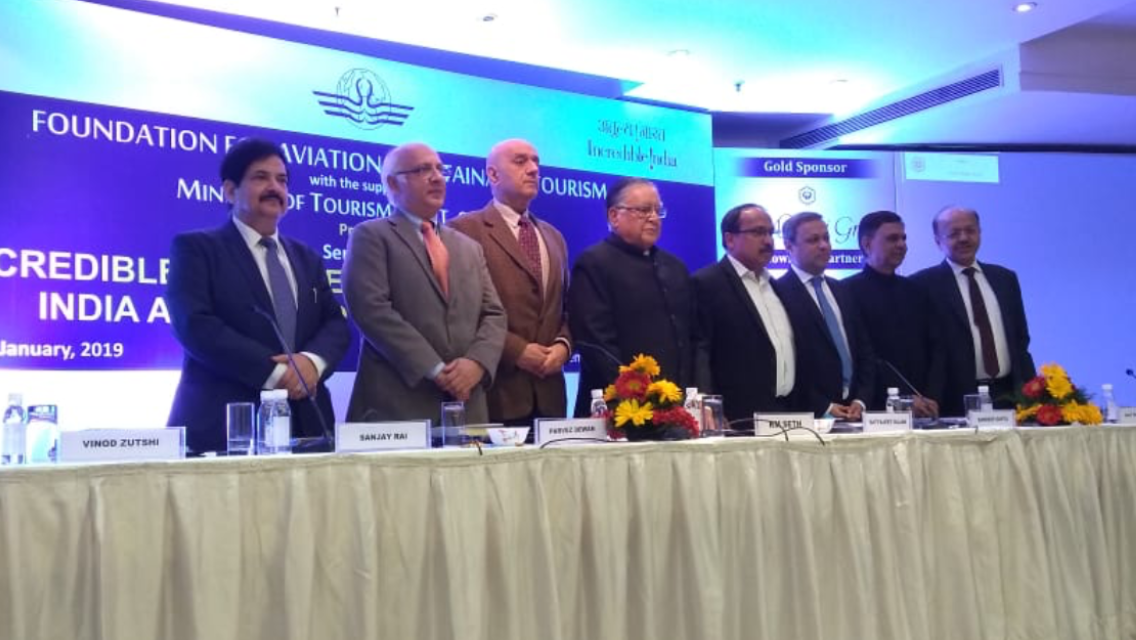
‘Incredible India: Developing and Positioning India as a World-class Destination’ organised by Foundation for Aviation & Sustainable Tourism (FAST) at India International Centre, New Delhi.

“India, in order to unfold its tourism potential and to position itself as a world leader in tourism will have to enhance its focus on integrated and all round development of infrastructure. The future tourism policy must therefore lay special emphasis on the issues of
• Core infrastructure: namely, international openness, ease of access, hassle-free travel, good connectivity and multi-model seamless transportation. 
• Tourism infrastructure including accommodation, parking, shelters, restaurants, wi-fi, certified guides, toilets and ATMs, &
• Social infrastructure: with focus on safety, hygiene, cleanliness, ease of communication, sustainability and responsibility.

To enhance competitiveness of India as a tourism destination through creation of world-class infrastructure, India has opened itself to global travellers through its new e-Visa policy. Air, Rail and Road connectivity has grown tremendously; investment of more than Rs. 7000 crores have been made in the last four years by Tourism Ministry, for building tourism infrastructure through Swadesh Darshan and Prashad schemes; Swachh Bharat campaign is addressing the issue of cleanliness and 24×7 helpline and institution of tourism police is addressing the issue of safety and security.

Developing and positioning India as a world-class destination would however require integrated efforts of Union Government, State Governments and the Private sector.

With tourism, having taken the center stage of Indian economy and positioned itself as a sunrise sector on the national, political and economic agenda of the country, India is poised to find a place in the top ten world-class destinations, sooner than later.”

Addressing at the seminar on ‘Incredible India: Developing and Positioning India as a World-class Destination’ organised by Foundation for Aviation & Sustainable Tourism (FAST) at India International Centre, New Delhi.

‘Tourism in New India’

‘New India’ will see tourism sector growing much faster than many other sectors in the country. Tourism today, is a priority on India’s national political and economic agenda and has emerged as a major engine of economic growth and employment. As fastest growing economy in the world, India would also be one of the top most tourism destinations in times to come.

Participated in Panel discussion on ‘Tourism in New India’ at DD National.


Cruise Tourism: ‘India Ahoy

“With a vast coastline of 7500 kms, India has a beautiful seascape to tap the cruise tourism segment. The past one year has shown reasonable progress on all fronts towards developing cruise tourism in India…. Global Consultant appointed by Ministry of Shipping and Ministry of Tourism submitted the action plan for development of cruise tourism in India recommending (a) dedicated cruise terminals at five sea ports, (b) customer friendly and hassle free rules and procedures for cruise operators, (c) single window clearance for all pre-cruise requirements of operators and (d) promote cruise shipping in India at the global level…. Indian Cruise Line Association (InCLA), a new multi member association, engaged itself with Government at various levels and proactively followed up for the acceptance of the white paper recommendations submitted to the Ministry of Shipping suggesting reforms in policy, customs, taxation and regulatory laws…. The Government meanwhile has allowed foreign-flagged cruise ships to call at Indian Ports without prior license from DG, Shipping. Government is also in the process of reviewing the implementation of standard operating procedures and has taken steps for developing dedicated cruise terminals and other related infrastructures at major ports. Government has also allowed e-visa facilities from five sea ports…. The efforts of all stakeholders have shown positive results, with COSTA cruises entering the 3rd year of its cruise operations between Mumbai and Maldives, AANGRIYA having commenced its cruise operations in October 2018, JALESH cruises set to begin their operations between Mumbai and Goa from April 2019 and many more global cruise liners looking forward to commence operations with India as a home port.”

Participated and addressed as a panel speaker at Workshop on Cruise Tourism at SATTE 2019 on the subject: Cruise Tourism: ‘India Ahoy!’


Election Training Session with Collectors & District Magistrates of Districts designated as District Election Officers and Returning Officers

“Collectors & District Magistrates of Districts, who are also designated as District Election Officers and Returning Officers, are key election officials, entrusted by law to lead the election machinery for effectually conducting Lok Sabha elections and to coordinate, supervise and monitor the entire election process…. They are also responsible for ensuring electoral integrity by maintaining healthy electoral roll; ensuring free access to voters to polling stations; conducting elections in fair, free, peaceful, non-partisan and transparent manner; providing ‘level playing field’ to all political parties and candidates and ensuring equal opportunity for all participants…. DEOs & ROs must also ensure freedom from any kind of fear or intimidation for everyone involved in the election process and should themselves display an ethical and impartial conduct during elections.”

Addressed Collectors & District Magistrates (designated as DEOs & ROs) from 15 States on the subject “Roles & Responsibilities of DEOs & ROs in Parliamentary Elections” during the ‘Certification Programme’ organised at the beautiful and large new campus (at Dwarka, New Delhi) of India International Institute of Democracy & Election Management (IIIDEM) the training body of Election Commission of India.